

As interest in GHK-Cu (Copper Peptide) continues to grow within UK research communities, proper storage and handling procedures are becoming increasingly important. Even high-quality research compounds can degrade if not managed correctly.
This guide outlines best practices for UK laboratories and independent researchers working with GHK-Cu to help maintain stability, integrity, and experimental consistency.
What Is GHK-Cu?
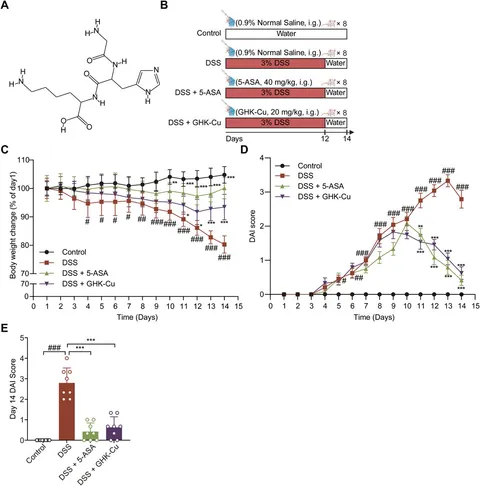
GHK-Cu is a copper-binding tripeptide widely studied in laboratory settings. Researchers are particularly interested in its biochemical properties and structural behaviour under controlled experimental conditions.
When sourcing GHK-Cu in the UK, ensuring research-grade quality is only the first step — correct storage and handling are equally critical.
Why Proper Storage Matters
Peptides can be sensitive to:
- Temperature fluctuations
- Moisture exposure
- Light exposure
- Repeated freeze-thaw cycles
Improper storage may result in reduced stability, structural degradation, or inconsistent research outcomes.
Recommended Storage Conditions for UK Laboratories
While researchers should always follow supplier guidance, general laboratory best practices include:
1. Cool, Stable Temperature
Store lyophilised GHK-Cu in a temperature-controlled environment. Avoid repeated exposure to room temperature once removed from refrigeration.
2. Moisture Control
Ensure vials remain tightly sealed. Exposure to humidity can compromise compound integrity.
3. Light Protection
Keep vials in original protective packaging when not in use. Limit unnecessary exposure to direct light.
4. Minimise Freeze–Thaw Cycles
If reconstituted for experimental purposes, aliquoting may help reduce repeated temperature cycling.
Handling Best Practices
To maintain experimental reliability:
- Use sterile laboratory equipment
- Work in a controlled environment
- Follow internal lab SOPs (Standard Operating Procedures)
- Label aliquots clearly with dates and batch references
Consistency in handling procedures supports reproducible research results.
Common Handling Mistakes to Avoid
UK researchers should avoid:
- Leaving vials open for extended periods
- Storing peptides near heat sources
- Using non-sterile tools
- Ignoring batch tracking documentation
Preventative measures reduce unnecessary variability in laboratory studies.
Choosing a Reliable UK Supplier
Proper storage begins before delivery. A professional supplier should provide:
- Secure, protective packaging
- Clear labelling
- Research-use-only positioning
- Reliable UK shipping processes
BuyPeptids.com supplies research-grade GHK-Cu strictly for laboratory and experimental use only, supporting UK researchers with consistent packaging and transparent product information.
Final Thoughts
For UK laboratories working with GHK-Cu, maintaining compound integrity is a shared responsibility between supplier and researcher.
By following best practices in storage, handling, and documentation, researchers can help ensure greater stability and improved experimental consistency.
Leave A Comment