

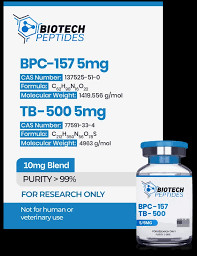
As discussions around BPC-157 and TB-500 continue to expand in the UK research space, one of the most common areas of confusion is understanding how these two peptides differ. While they are often mentioned together, they are distinct compounds with separate research backgrounds and biological focus areas.
At buypeptids.com, we break down these differences to help UK readers better understand the fundamentals of peptide research.
What is BPC-157?
BPC-157 (Body Protection Compound-157) is a synthetic peptide derived from a protein found in the stomach.
In research settings, it is commonly associated with:
- Studies involving localized biological environments
- Experimental models focusing on tissue-related processes
- Investigations into cellular response mechanisms
Its research profile tends to focus on specific, targeted biological areas.
What is TB-500?
TB-500 is a synthetic version of a naturally occurring peptide known as Thymosin Beta-4.
Within research discussions, TB-500 is often linked to:
- Cellular movement and migration studies
- Structural protein interactions (such as actin)
- Broader systemic biological processes
Compared to BPC-157, TB-500 is generally discussed in the context of wider biological activity.
Key Differences at a Glance
| Feature | BPC-157 | TB-500 |
|---|---|---|
| Origin | Derived from gastric protein | Derived from Thymosin Beta-4 |
| Research Focus | Localised biological processes | Systemic cellular activity |
| Common Discussions | Tissue-related models | Cell migration & structure |
| Scope | More targeted | More widespread |
Why Are They Often Mentioned Together?
Despite their differences, BPC-157 and TB-500 are frequently grouped in UK research discussions due to:
- Overlapping interest in regenerative biology topics
- Popularity in experimental and educational communities
- Ongoing curiosity about how different peptides function
However, it’s important to remember that being discussed together does not mean they function the same way or are interchangeable.
UK Perspective on Research Use
In the UK, both peptides are generally considered:
- Research-use-only compounds
- Not licensed for medical or consumer use
- Intended strictly for laboratory and investigational settings
Suppliers like buypeptids.com emphasise transparency and proper classification to ensure responsible sourcing.
Final Thoughts
Understanding the differences between BPC-157 and TB-500 is essential for anyone exploring peptide research in the UK. While they share some thematic similarities in discussion, their biological focus and research applications are distinct.
For UK readers looking to learn more about peptides in a clear and responsible way, buypeptids.com continues to provide accessible, research-based content.
Leave A Comment