

Introduction
As peptide science continues to evolve in the UK, Retatrutide is becoming a key compound in advanced metabolic research. Its triple-agonist structure gives researchers a broader tool for studying how multiple hormonal systems interact in energy regulation, appetite control, and glucose metabolism.
This article explores where Retatrutide fits into modern research applications and why it is attracting global scientific interest.
Important Notice
Retatrutide is a research-use-only peptide.
It is:
- Not approved for human consumption
- Not licensed as a medicine in the UK
- Intended strictly for laboratory research environments
Core Research Applications of Retatrutide
Retatrutide is primarily studied in the context of metabolic and endocrine research. Key areas include:
1. Energy Homeostasis Research
Investigating how the body regulates energy intake and expenditure across multiple pathways.
2. Appetite Signaling Studies
Understanding how GLP-1, GIP, and glucagon pathways influence hunger regulation.
3. Glucose Metabolism Research
Exploring how multi-receptor activation affects glucose handling in biological systems.
4. Obesity Model Studies
Used in experimental frameworks examining weight regulation mechanisms.
Why Multi-Pathway Research Matters
Traditional peptide research often focused on single pathways. Retatrutide introduces a more complex model:
GLP−1+GIP+GlucagonGLP-1 + GIP + GlucagonGLP−1+GIP+Glucagon
This allows researchers to study:
- Hormonal interaction effects
- Cross-pathway metabolic signalling
- System-wide energy balance responses
- Integrated endocrine behaviour
Retatrutide in UK Scientific Research
The UK has a strong presence in biotechnology and metabolic science. Retatrutide is being explored due to:
- Rising interest in multi-agonist peptides
- Advanced obesity and metabolic disorder research
- Academic focus on incretin biology
- Expanding pharmaceutical innovation pipelines
How Retatrutide Advances Research Models
Compared to older peptides, Retatrutide enables:
More Complex Biological Simulations
Researchers can observe multiple hormonal systems simultaneously.
Improved Metabolic Mapping
Helps identify how different receptors influence energy regulation.
Enhanced Comparative Studies
Useful for comparing single, dual, and triple receptor systems.
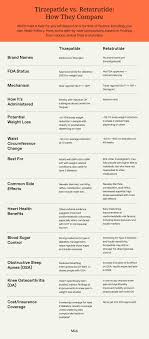
Comparison of Research Complexity
- Semaglutide → Single-pathway GLP-1 model
- Tirzepatide → Dual-pathway GLP-1 + GIP model
- Retatrutide → Triple-pathway integrated metabolic model
This progression reflects the evolution of peptide science.
Importance of Controlled Research Environments
Because Retatrutide affects multiple biological systems, UK research protocols emphasize:
- Controlled experimental conditions
- Standardized dosing in studies
- Verified compound purity
- Reproducible methodology
These ensure data accuracy and scientific validity.
Future Potential in Research
Retatrutide is expected to play a role in:
- Next-generation metabolic modelling
- Advanced endocrine system mapping
- Multi-receptor drug development research
- Integrated obesity mechanism studies
As research expands, its importance is likely to increase.
Role of Reliable Supply Chains
For consistent results, researchers depend on suppliers that provide:
- Verified peptide purity
- Batch consistency
- COA documentation
- Stable international distribution
Reliable sourcing is essential for reproducible research outcomes.
Final Thoughts
Retatrutide represents a significant advancement in metabolic research due to its triple-agonist design and multi-pathway activity. In the UK research landscape, it is increasingly used to explore complex biological systems that were previously difficult to model.
As scientific understanding grows, Retatrutide is expected to remain a valuable tool in next-generation peptide research.
Leave A Comment