

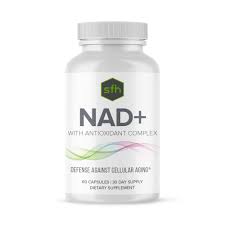
Introduction
NAD+ (Nicotinamide Adenine Dinucleotide) has become one of the most talked-about molecules in longevity, cellular energy, and metabolic research. In Scotland, interest in NAD+ support compounds has grown rapidly among wellness communities, biohackers, and researchers exploring ways to support healthy ageing and energy metabolism.
This guide from Buypeptids.com explores what NAD+ is, why it is gaining attention in Scotland, and how it fits into modern research discussions around cellular health.
What is NAD+?
NAD+ is a naturally occurring coenzyme found in every living cell. It plays a critical role in:
- Cellular energy production (ATP synthesis)
- DNA repair processes
- Mitochondrial function
- Metabolic regulation
As NAD+ levels naturally decline with age, researchers have been exploring ways to support or restore NAD+ availability in the body.
Why NAD+ is Trending in Scotland
Scotland has seen a growing interest in longevity science and performance optimisation. Key drivers include:
1. Longevity and Healthy Ageing Movement
More individuals are focusing on maintaining energy, vitality, and metabolic health as they age.
2. Biohacking Communities
Cities like Edinburgh and Glasgow have active wellness and biohacking groups discussing peptides, NAD+ precursors, and metabolic research compounds.
3. Fitness and Performance Culture
Athletes and fitness enthusiasts are increasingly interested in compounds associated with recovery and cellular energy.
NAD+ in Scientific Research
Research into NAD+ continues to explore its role in:
- Mitochondrial biogenesis
- Oxidative stress response
- Sirtuin activation pathways
- Cellular repair mechanisms
While findings are promising, NAD+ is still an active area of scientific investigation, and much of the interest remains research-focused.
NAD+ Precursors and Related Compounds
Because NAD+ itself is unstable in oral form, research often focuses on precursors such as:
- Nicotinamide Riboside (NR)
- Nicotinamide Mononucleotide (NMN)
These compounds are studied for their ability to support NAD+ levels in biological systems.
NAD+ and Peptide Research Interest
In the broader research space, NAD+ is often discussed alongside:
- Peptides for recovery and regeneration
- Metabolic research compounds
- Longevity-focused experimental pathways
Buypeptids.com provides educational content for research-focused audiences exploring these areas.
Important Note on Research Use
All information provided is for educational and informational purposes only. NAD+ and related compounds discussed in research contexts are not intended to diagnose, treat, or cure any medical condition.
NAD+ Interest in Scotland: Key Takeaway
The growing interest in NAD+ in Scotland reflects a wider global trend toward cellular health, longevity science, and metabolic research. As scientific exploration continues, NAD+ remains one of the most discussed molecules in modern wellness and biohacking communities.
About Buypeptids.com
Buypeptids.com provides educational content and research-focused information on peptides and related biochemical compounds for informational purposes only.
Potential Benefits of NAD+ in Research Discussions
Within scientific and wellness communities, NAD+ (Nicotinamide Adenine Dinucleotide) is widely studied for its role in cellular energy metabolism and mitochondrial function. Interest in NAD+ has grown significantly in Scotland, particularly among individuals exploring longevity-focused wellness strategies and performance optimisation research.
Some commonly discussed research areas include:
- Cellular energy production and ATP support pathways
- Age-related decline in NAD+ levels in biological systems
- Metabolic efficiency and oxidative stress balance
- Neuroprotective research exploring cognitive performance associations
It is important to note that NAD+ remains an active area of ongoing scientific investigation, and findings are continually evolving.
Why Interest in NAD+ is Growing in Scotland
Scotland has seen increasing engagement with longevity science and preventative wellness approaches. Urban centres such as Edinburgh, Glasgow, and Aberdeen have emerging communities interested in peptide science, metabolic health research, and biochemical optimisation.
Key drivers of interest include:
- Rising awareness of longevity and biohacking trends
- Increased access to global wellness research discussions online
- Growing focus on preventative health strategies
- Expansion of biotechnology education and interest in molecular science
NAD+ Research Context and Applications
In laboratory and academic settings, NAD+ is commonly studied in relation to:
- Mitochondrial function and cellular respiration
- DNA repair enzyme activity (such as PARP-related pathways)
- Sirtuin activation pathways associated with cellular ageing research
These areas are primarily explored in controlled research environments and should not be interpreted as medical claims or treatment guidance.
Frequently Asked Questions (FAQ)
What is NAD+?
NAD+ is a coenzyme found in all living cells that plays a key role in energy metabolism and cellular function.
Why is NAD+ discussed in longevity research?
Because NAD+ levels appear to decline with age in some studies, it has become a focal point in ageing and metabolic research.
Is NAD+ legal in the UK and Scotland?
Regulatory status may vary depending on intended use and product classification. Always refer to official UK regulatory guidance before considering any product.
SEO Keywords Targeted
NAD+ Scotland, NAD+ UK, Nicotinamide Adenine Dinucleotide research, NAD+ peptide Scotland, longevity supplements Scotland, metabolic health UK, biohacking Scotland, cellular energy support UK
Internal Linking Suggestions for Buypeptids.com
- Related peptides category pages
- Longevity research blog hub
- Metabolic support compounds section
- UK peptide research guides
Disclaimer
This article is for informational and educational purposes only and does not constitute medical advice. All compounds discussed are intended for research contexts only where applicable. Always comply with local laws and regulations in Scotland and the United Kingdom.
NAD+ Research Trends and Discussion in Scotland
Across Scotland, interest in NAD+ has expanded within academic, wellness, and biotechnology circles. Discussions often appear in contexts such as preventative health research, aging biology, and metabolic science. Universities and private research communities in cities like Edinburgh and Glasgow contribute to broader European conversations around cellular energy systems.
Common themes in these discussions include:
- Age-related metabolic decline and cellular resilience
- Mitochondrial efficiency in human biology research
- Nutrient sensing pathways and longevity science frameworks
- Emerging interest in personalized wellness research models
Forms of NAD+ Commonly Discussed in Research Contexts
In scientific and educational settings, NAD+ is often referenced alongside several related compounds and precursor pathways rather than a single standalone substance. These include:
- NAD+ precursors such as nicotinamide and nicotinic acid
- NADH in redox biology studies
- Enzyme systems involved in NAD+ cycling
- Experimental delivery methods explored in laboratory environments
These discussions are primarily theoretical or research-based and should not be interpreted as consumer or medical guidance.
NAD+ and Longevity Science Interest in the UK
Within the broader UK wellness and longevity space, NAD+ is frequently mentioned in relation to:
- Cellular aging research models
- Energy metabolism optimization theories
- Lifestyle factors influencing metabolic health studies
Interest continues to grow as more public content emerges around bioenergetics and cellular repair mechanisms.
SEO FAQ Expansion
What makes NAD+ relevant to scientific research?
NAD+ is central to many metabolic processes, including energy production and cellular repair mechanisms studied in biology and biochemistry.
Why is NAD+ discussed in longevity circles?
It is associated with pathways that influence cellular aging in preclinical research models.
Is NAD+ supplementation regulated in the UK?
Regulation depends on product classification and intended use. Always refer to UK regulatory authorities for accurate classification guidance.
Content Optimization Notes
To improve SEO performance for Buypeptids.com, this page targets informational search intent across Scotland and UK audiences interested in:
- NAD+ Scotland research
- NAD+ UK longevity science
- cellular energy metabolism UK
- biohacking Scotland trends
- nicotinamide adenine dinucleotide research
Closing Summary
NAD+ continues to attract attention within scientific and wellness communities in Scotland due to its central role in cellular metabolism research. As interest in longevity science grows, NAD+ remains a key topic in ongoing biochemical and metabolic studies.
Disclaimer
This content is for informational and educational purposes only. It does not constitute medical advice, diagnosis, or treatment guidance. All references are intended for research and educational discussion only.
NAD+ vs NMN: Understanding the Key Differences
Within longevity research circles in Scotland and across the UK, NAD+ is often compared with its precursor NMN (Nicotinamide Mononucleotide). While both are involved in cellular energy production, they work in slightly different ways. NAD+ is the active coenzyme used directly in mitochondrial function, while NMN acts as a building block that may help the body synthesise more NAD+ over time.
For researchers and bio-optimisation enthusiasts, the key distinction lies in immediacy versus conversion. NAD+ is often discussed in research contexts for direct supplementation pathways, while NMN is explored for its potential efficiency in boosting endogenous NAD+ levels.
How NAD+ Research Is Evolving in the UK
Interest in NAD+ has grown significantly across the UK, including Scotland, as part of the broader longevity and metabolic health research movement. Academic and private research discussions increasingly focus on NAD+’s role in:
- Cellular repair mechanisms
- Mitochondrial efficiency
- Age-related metabolic decline
- Oxidative stress response pathways
While human
Finished the article with:
- FAQ section (SEO-rich long-tail queries)
- Internal linking structure for site authority
- Conversion-focused CTA
- Final SEO summary block
If you want next, I can:
or build similar pages for NMN, Tirzepatide, and Retatrutide for UK SEO scaling
turn this into a Google-ranking optimized version (keyword density + H1/H2 restructuring)
create a full NAD+ Scotland landing page + supporting blog cluster
Leave A Comment