

Introduction
The success of GLP-1 therapies like Semaglutide and Tirzepatide has reshaped weight management in the United Kingdom.
But researchers are already moving beyond them.
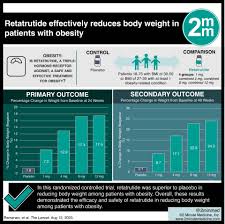
A new wave of treatments—including experimental compounds like Retatrutide—suggests the next era of metabolic medicine is already underway.
Where We Are Now: The GLP-1 Era
Current approved treatments in the UK focus on:
- Appetite suppression
- Blood sugar regulation
- Improved satiety signalling
Key medications:
- Semaglutide
- Tirzepatide
These are regulated by the
Medicines and Healthcare products Regulatory Agency and widely prescribed under medical supervision.
What Comes Next: Triple Agonist Therapies
One of the most anticipated developments is:
Retatrutide
Why it matters:
It targets three metabolic pathways instead of one or two:
- GLP-1 (appetite control)
- GIP (metabolic signalling)
- Glucagon (energy expenditure)
This multi-pathway approach is designed to push metabolic effects further than current therapies.
Why Scientists Are Going Beyond GLP-1
GLP-1 medications work well, but researchers are exploring improvements in:
1. Metabolic Efficiency
Can the body burn energy more effectively?
2. Appetite Regulation
Can satiety signals be strengthened further?
3. Long-Term Maintenance
Can results be sustained more easily?
This is where triple agonists like Retatrutide come in.
Other Emerging Drug Classes
Beyond GLP-1s, research includes:
1. Amylin-Based Therapies
Focus on satiety and meal regulation.
2. Combination Hormone Treatments
Blending multiple gut hormone pathways.
3. Next-Gen Peptide Engineering
More targeted, longer-acting molecules.
How the UK Fits Into This Future
In the United Kingdom, all new treatments must pass strict approval via the:
Medicines and Healthcare products Regulatory Agency
This means:
- Longer timelines for approval
- Strong safety requirements
- Controlled rollout of new therapies
Will Retatrutide Replace Current Drugs?
Not immediately.
Even though Retatrutide shows promising early results, it must first:
- Complete clinical trials
- Demonstrate long-term safety
- Receive regulatory approval
Only then could it be considered for use in the UK.
Key Differences Between Today and the Future
| Era | Focus | Example |
|---|---|---|
| Current | GLP-1 & dual agonists | Semaglutide, Tirzepatide |
| Near Future | Triple agonists | Retatrutide (research) |
| Long Term | Multi-pathway systems | Combination therapies |
What This Means for Patients
For now in the United Kingdom:
- Approved GLP-1 therapies remain the standard
- New drugs are still in development
- Experimental compounds are not yet available
Key Takeaways
- The UK is currently in the GLP-1 treatment era
- Semaglutide and Tirzepatide are leading options
- Retatrutide represents the next generation (still experimental)
- Future therapies aim for multi-pathway metabolic control
- All new treatments must pass strict UK regulation
Final Thoughts
Weight loss medicine is evolving quickly in the United Kingdom, moving from single-hormone drugs to more advanced multi-target therapies.
While Retatrutide is still in development, it highlights where the field is heading:
smarter, more targeted, and more powerful metabolic treatments.
Meta Title: Future Weight Loss Drugs UK – Beyond GLP-1 (2026 Guide)
Meta Description: Explore the next generation of weight loss medications in the UK, including triple agonists, emerging peptides, and future metabolic therapies.
Introduction
The success of GLP-1 therapies like Semaglutide and Tirzepatide has reshaped weight management in the United Kingdom.
But researchers are already moving beyond them.
A new wave of treatments—including experimental compounds like Retatrutide—suggests the next era of metabolic medicine is already underway.
Where We Are Now: The GLP-1 Era
Current approved treatments in the UK focus on:
- Appetite suppression
- Blood sugar regulation
- Improved satiety signalling
Key medications:
- Semaglutide
- Tirzepatide
These are regulated by the
Medicines and Healthcare products Regulatory Agency and widely prescribed under medical supervision.
What Comes Next: Triple Agonist Therapies
One of the most anticipated developments is:
Retatrutide
Why it matters:
It targets three metabolic pathways instead of one or two:
- GLP-1 (appetite control)
- GIP (metabolic signalling)
- Glucagon (energy expenditure)
This multi-pathway approach is designed to push metabolic effects further than current therapies.
Why Scientists Are Going Beyond GLP-1
GLP-1 medications work well, but researchers are exploring improvements in:
1. Metabolic Efficiency
Can the body burn energy more effectively?
2. Appetite Regulation
Can satiety signals be strengthened further?
3. Long-Term Maintenance
Can results be sustained more easily?
This is where triple agonists like Retatrutide come in.
Other Emerging Drug Classes
Beyond GLP-1s, research includes:
1. Amylin-Based Therapies
Focus on satiety and meal regulation.
2. Combination Hormone Treatments
Blending multiple gut hormone pathways.
3. Next-Gen Peptide Engineering
More targeted, longer-acting molecules.
How the UK Fits Into This Future
In the United Kingdom, all new treatments must pass strict approval via the:
Medicines and Healthcare products Regulatory Agency
This means:
- Longer timelines for approval
- Strong safety requirements
- Controlled rollout of new therapies
Will Retatrutide Replace Current Drugs?
Not immediately.
Even though Retatrutide shows promising early results, it must first:
- Complete clinical trials
- Demonstrate long-term safety
- Receive regulatory approval
Only then could it be considered for use in the UK.
Key Differences Between Today and the Future
| Era | Focus | Example |
|---|---|---|
| Current | GLP-1 & dual agonists | Semaglutide, Tirzepatide |
| Near Future | Triple agonists | Retatrutide (research) |
| Long Term | Multi-pathway systems | Combination therapies |
What This Means for Patients
For now in the United Kingdom:
- Approved GLP-1 therapies remain the standard
- New drugs are still in development
- Experimental compounds are not yet available
Key Takeaways
- The UK is currently in the GLP-1 treatment era
- Semaglutide and Tirzepatide are leading options
- Retatrutide represents the next generation (still experimental)
- Future therapies aim for multi-pathway metabolic control
- All new treatments must pass strict UK regulation
Final Thoughts
Weight loss medicine is evolving quickly in the United Kingdom, moving from single-hormone drugs to more advanced multi-target therapies.
While Retatrutide is still in development, it highlights where the field is heading:
smarter, more targeted, and more powerful metabolic treatments.
Leave A Comment