

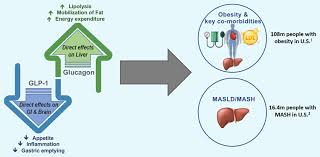
As interest grows around Retatrutide in the United Kingdom, one of the most searched topics is its side effect profile. Since Retatrutide is still under clinical investigation, understanding reported effects from trials is essential for anyone researching this compound.
How Retatrutide Works (Quick Context)
Retatrutide acts on three hormone pathways:
- GLP-1 (glucagon-like peptide-1)
- GIP (glucose-dependent insulinotropic polypeptide)
- Glucagon receptors
This “triple-action” mechanism is what makes it unique—but also why side effects must be carefully studied.
Commonly Reported Side Effects
Based on early clinical research, the most frequently observed side effects are gastrointestinal.
1. Nausea
- One of the most common reactions
- Often occurs during dose escalation
- Typically mild to moderate
2. Vomiting
- Less common than nausea
- Usually temporary
3. Diarrhoea
- Can occur as the body adjusts
- Often resolves over time
4. Reduced Appetite
- Frequently reported
- Linked to its metabolic effects
These side effects are similar to those seen with Semaglutide and other GLP-1-based therapies.
Less Common Side Effects
Some participants in studies have reported:
- Constipation
- Fatigue
- Mild abdominal discomfort
These effects are generally considered manageable within controlled settings, though long-term data is still limited.
Potential Risks Still Being Studied
Because Retatrutide is still in development, researchers are continuing to evaluate:
- Long-term safety
- Cardiovascular impact
- Hormonal balance effects
- Rare adverse reactions
This is why regulatory bodies like the Medicines and Healthcare products Regulatory Agency require extensive trials before approval.
Why Side Effects Occur
Most side effects are linked to how Retatrutide affects:
- Digestion speed
- Appetite regulation
- Hormone signalling
For example, slower gastric emptying can lead to nausea or fullness, especially in early stages.
How It Compares to Other Compounds
Compared to established treatments like Semaglutide:
- Side effects appear similar in type
- Some studies suggest dose-dependent intensity
- Triple-action may increase both effectiveness and complexity
Important Considerations
It’s crucial to understand:
- Retatrutide is not yet approved for general use in the UK
- Safety data is still being collected
- Observations come from controlled clinical environments
Self-administration outside regulated research settings carries unknown risks.
Key Takeaways
- Most common side effects are digestive-related
- Effects are often temporary and dose-dependent
- Long-term safety is still under investigation
- Regulatory approval depends heavily on safety data
Final Thoughts
The side effect profile of Retatrutide reflects its powerful interaction with multiple metabolic pathways. While early findings are promising, caution is essential until full clinical validation is complete.
Leave A Comment