

Meta Title: Retatrutide UK 2026 – What It Is, Research, Availability & Safety
Meta Description: Discover what Retatrutide is, how it works, and whether it’s available in the UK. A complete research-backed guide for 2026.
Introduction
Interest in Retatrutide is growing rapidly across the United Kingdom as people look toward next-generation metabolic research compounds.
But what exactly is it—and can it actually be used in the UK today?
This guide breaks it down clearly, based on current clinical research and UK regulations.
What Is Retatrutide?
Retatrutide is an investigational peptide designed to target three key hormone receptors:
- GLP-1 (appetite regulation)
- GIP (insulin response)
- Glucagon (energy expenditure)
This makes it fundamentally different from earlier therapies that only target one pathway.
How Retatrutide Works
The mechanism behind Retatrutide combines three metabolic effects:
1. Appetite Control
Similar to Semaglutide, it may help regulate hunger signals.
2. Hormonal Regulation
It supports improved insulin-related pathways through GIP activation.
3. Energy Expenditure
Unlike most therapies, it may also increase calorie burning via glucagon pathways.
What Research Shows So Far
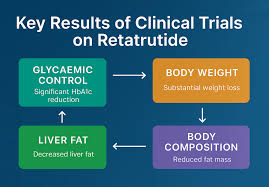
Early clinical studies suggest that Retatrutide may:
- Support significant weight reduction trends
- Improve metabolic markers
- Provide stronger appetite suppression
However, it’s important to understand:
- These are early-stage findings
- Data is still being collected
- Long-term outcomes are unknown
Is Retatrutide Available in the UK?
No—Retatrutide is not approved for public use in the United Kingdom.
All medicines must be authorised by the
Medicines and Healthcare products Regulatory Agency before they can be prescribed or sold.
Currently, Retatrutide is:
- Only available in clinical trials
- Not legally prescribed
- Not sold through regulated pharmacies
How It Compares to Existing Options
Semaglutide
- Single-pathway (GLP-1)
- Approved in the UK
- Well-established safety profile
Tirzepatide
- Dual-pathway (GLP-1 + GIP)
- Approved and widely used
- Strong clinical results
Retatrutide
- Triple-pathway (GLP-1 + GIP + glucagon)
- Experimental
- Not approved
Safety and Side Effects
Reported side effects so far are similar to other GLP-1-based compounds:
- Nausea
- Vomiting
- Digestive discomfort
- Appetite changes
However:
- Long-term safety is unknown
- Data is still limited
- Ongoing trials are assessing risks
Why Retatrutide Is Getting Attention
Despite not being available, Retatrutide is considered important because:
- It represents a next-generation approach
- It targets multiple metabolic pathways
- It may improve outcomes compared to older therapies
Key Takeaways
- Retatrutide is an experimental peptide
- It is not approved or available in the UK
- Early research shows promising results
- Safety and long-term effects are still being studied
- Approved alternatives include Semaglutide and Tirzepatide
Final Thoughts
Retatrutide reflects the future direction of metabolic research—moving beyond single-pathway treatments toward more advanced, multi-target approaches.
But in the United Kingdom today, only approved and regulated treatments should be considered, under proper medical guidance.
Leave A Comment