

Introduction
As interest in retatrutide UK continues to grow, many readers are also comparing it with existing metabolic therapies such as GLP-1 receptor agonists and dual GIP/GLP-1 treatments. Understanding where retatrutide fits in this evolving landscape helps clarify why it is considered a next-generation investigational compound.
Retatrutide vs GLP-1 Therapies
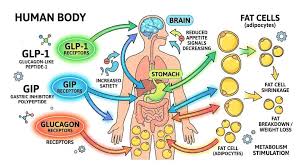
GLP-1 receptor agonists are well-established in metabolic research and clinical use. They primarily work by:
- Reducing appetite signals in the brain
- Slowing gastric emptying
- Supporting glucose-dependent insulin secretion
Retatrutide includes GLP-1 activity but expands beyond it, aiming to create a broader metabolic effect through additional receptor targets.
Key difference:
- GLP-1 therapies focus mainly on appetite and glucose control
- Retatrutide targets multiple metabolic pathways simultaneously
Retatrutide vs Dual Agonists (GLP-1 + GIP)
Dual agonists combine GLP-1 and GIP activity, offering improved metabolic outcomes compared to single-pathway treatments.
These therapies are designed to:
- Enhance insulin response
- Improve glycaemic control
- Support more effective weight reduction than GLP-1 alone
Retatrutide builds on this concept by introducing a third mechanism: glucagon receptor activation.
Key difference:
- Dual agonists act on two metabolic receptors
- Retatrutide acts on three, potentially increasing energy expenditure alongside appetite regulation
The Role of Glucagon in Retatrutide
The addition of glucagon receptor activity is one of the most distinctive aspects of retatrutide research. While glucagon is traditionally associated with raising blood glucose levels, in controlled therapeutic contexts it is being studied for its potential to:
- Increase energy expenditure
- Promote fat utilisation
- Enhance overall metabolic flexibility
This multi-pathway approach is what differentiates retatrutide from earlier generations of metabolic therapies.
Why This Matters for UK Research Interest
In the UK, growing attention around metabolic health has led to increased discussion of next-generation compounds. Retatrutide is frequently highlighted in research conversations because it represents:
- A shift from single-target to multi-target metabolic therapy
- A potential advancement in obesity and insulin resistance research
- A model for future drug development strategies
However, it remains an investigational compound undergoing clinical evaluation.
Current Position in Development
At this stage, retatrutide is still being assessed in clinical trials to determine:
- Long-term safety and tolerability
- Comparative effectiveness versus existing therapies
- Optimal therapeutic dosing strategies
- Sustained metabolic outcomes over time
No final regulatory approval has been granted.
Conclusion
Retatrutide stands out in metabolic research due to its triple receptor activity, setting it apart from both GLP-1 and dual agonist therapies. For those following developments in the UK, it represents a significant area of scientific interest as researchers continue to evaluate its potential role in future treatment pathways.
Leave A Comment