

Why This Comparison Matters in the UK
In UK metabolic research and clinical discussions, tirzepatide is frequently compared with semaglutide because both compounds belong to the incretin-based therapy class. However, they differ significantly in how they interact with metabolic pathways, which is why they are studied separately in both academic and clinical settings.
This comparison helps clarify how dual-agonist and single-agonist mechanisms influence outcomes in glucose regulation and body weight research.
Mechanism of Action: Single vs Dual Pathways
Semaglutide
Semaglutide primarily targets the GLP-1 receptor, which influences:
- Insulin secretion
- Appetite regulation
- Gastric emptying
- Glucose control
Tirzepatide
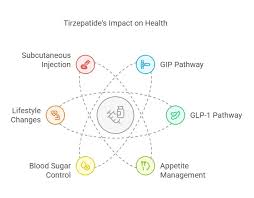
Tirzepatide acts on both:
- GLP-1 receptors
- GIP receptors
This dual mechanism is a key distinction in UK research literature, as it introduces a broader metabolic signalling profile.
Metabolic Outcomes in Clinical Research
Observed in Semaglutide Studies:
- Strong improvements in glycaemic control
- Significant appetite suppression
- Consistent weight reduction trends
Observed in Tirzepatide Studies:
- Greater average weight reduction in comparative trials
- Enhanced insulin sensitivity through dual pathways
- Broader metabolic impact across lipid and glucose systems
This linear model is often used in simplified comparative analyses to represent trends in metabolic change over time, though actual biological responses are non-linear and multi-variable.
Weight Regulation Differences
Both compounds influence appetite and energy balance, but through slightly different pathways:
Semaglutide
- Primarily GLP-1 mediated appetite suppression
- Slower gastric emptying
- Steady reduction in caloric intake
Tirzepatide
- Dual incretin signalling (GLP-1 + GIP)
- Stronger appetite regulation effects in studies
- Potentially enhanced metabolic flexibility
Cardiometabolic Research Findings
UK and global studies suggest both compounds may positively influence:
- Blood glucose levels
- Body weight
- Lipid profiles
- Cardiovascular risk markers
However, tirzepatide is often noted for producing broader multi-system metabolic effects due to its dual receptor activity.
This expression is frequently used in modelling rate-of-change relationships in biological systems, illustrating how metabolic responses evolve under treatment conditions.
UK Research Perspective
In the UK, semaglutide is often viewed as a well-established GLP-1 therapy, while tirzepatide is positioned as a next-generation dual-agonist compound.
Research focus areas include:
- Long-term metabolic outcomes
- Obesity treatment effectiveness
- Type 2 diabetes management
- Cardiovascular risk reduction strategies
Both compounds are central to NHS-related and academic metabolic studies.
Safety and Tolerability Observations
Both tirzepatide and semaglutide share similar side-effect profiles in early treatment phases, including:
- Gastrointestinal discomfort
- Nausea during dose escalation
- Appetite reduction effects
Long-term tolerability data continues to be studied, particularly in broader UK populations.
Key Differences Summary
| Feature | Semaglutide | Tirzepatide |
|---|---|---|
| Receptor activity | GLP-1 only | GLP-1 + GIP |
| Mechanism scope | Single pathway | Dual pathway |
| Weight outcomes (studies) | Strong | Potentially greater |
| Research maturity | More established | Emerging but advanced |
| Metabolic coverage | Focused | Broader |
Final Takeaway
In UK metabolic research, semaglutide and tirzepatide represent two stages of incretin-based therapy development. Semaglutide remains a foundational GLP-1 treatment model, while tirzepatide expands the field into dual-receptor metabolic modulation, offering a broader framework for studying obesity and glucose regulation.
Leave A Comment