

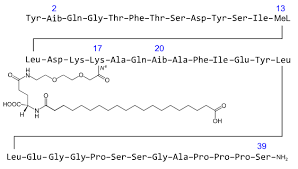
As retatrutide continues to gain attention in the UK for its powerful weight loss potential, many researchers and wellness followers are asking the same question:
How safe is retatrutide, and what side effects have been reported so far?
Because retatrutide is still an investigational peptide in clinical trials, understanding its safety profile is essential. Early studies suggest that while the compound delivers impressive metabolic results, it also produces side effects similar to other incretin-based therapies.
What Is Retatrutide?
Retatrutide is a next-generation triple hormone receptor agonist designed to target:
- GLP-1 receptors
- GIP receptors
- Glucagon receptors
This triple-action mechanism is what makes it unique compared to semaglutide or tirzepatide.
It is currently being studied for:
- Obesity management
- Metabolic health improvement
- Weight reduction
- Type 2 diabetes-related outcomes
However, it is not yet approved for medical use in the UK.
Most Common Retatrutide Side Effects
Clinical trial data shows that the majority of side effects are related to the digestive system.
The most commonly reported include:
1. Nausea
Nausea is the most frequent side effect observed during dose escalation.
Many participants reported:
- Mild to moderate nausea
- Symptoms strongest in early treatment stages
- Improvement as the body adapted over time
2. Vomiting
Some individuals experienced vomiting, particularly at higher doses.
This was more common:
- During rapid dose increases
- In participants sensitive to GLP-1 therapies
3. Diarrhoea
Digestive motility changes may lead to:
- Loose stools
- Increased bowel frequency
- Temporary gastrointestinal discomfort
4. Constipation
While some experienced diarrhoea, others reported slowed digestion resulting in constipation.
This is consistent with other incretin-based medications.
5. Reduced Appetite
Because retatrutide strongly suppresses appetite, some participants experienced:
- Very low hunger levels
- Reduced calorie intake
- Difficulty consuming normal meal sizes
This effect contributes significantly to its weight loss outcomes.
Why These Side Effects Occur
Retatrutide affects hormones involved in:
- Appetite regulation
- Gastric emptying
- Insulin signalling
- Energy metabolism
As digestion slows and hunger signals change, gastrointestinal symptoms become more likely—especially during the early phases of treatment.
Are Retatrutide Side Effects Severe?
Current trial data suggests:
- Most side effects are mild to moderate
- Symptoms are generally temporary
- Severity often depends on dosage levels
Researchers found that gradual dose escalation significantly improved tolerability.
However, because retatrutide is still under investigation, long-term safety data is still being collected.
Potential Serious Risks Still Being Studied
Researchers continue monitoring for:
- Pancreatitis risk
- Gallbladder complications
- Cardiovascular effects
- Muscle mass changes during rapid weight loss
- Long-term metabolic adaptation
At this stage, no final conclusions can be made until larger and longer studies are completed.
Retatrutide vs Other Weight Loss Drugs
Compared with current UK obesity medications:
| Treatment | Common Side Effects | Relative Intensity |
|---|---|---|
| Semaglutide | Nausea, vomiting | Moderate |
| Tirzepatide | Digestive symptoms | Moderate to high |
| Retatrutide | Digestive symptoms + stronger appetite suppression | Higher at larger doses |
The stronger metabolic activity of retatrutide may explain why some gastrointestinal effects appear more pronounced in trials.
Can Side Effects Be Reduced?
Clinical studies suggest side effects may be reduced through:
- Gradual dose increases
- Smaller meals
- Hydration support
- Avoiding high-fat meals during adjustment periods
Researchers continue refining dosing protocols to improve tolerability.
Is Retatrutide Safe Long-Term?
This remains one of the biggest unanswered questions.
Because retatrutide is still in Phase 3 trials:
- Long-term safety monitoring is ongoing
- Researchers are evaluating multi-year outcomes
- Regulatory approval depends heavily on these findings
Current evidence is promising, but additional data is still needed before widespread clinical use.
UK Regulatory Status
At present:
- ❌ Retatrutide is not MHRA approved
- ❌ Not available as a licensed medicine in the UK
- ⚠️ Restricted to clinical research settings
Consumers should be cautious of unregulated products claiming to offer retatrutide for human use.
Final Thoughts
Retatrutide has shown extraordinary potential in obesity research, but like all powerful metabolic therapies, it comes with important safety considerations.
Most reported side effects involve the digestive system and appear manageable in clinical settings, but long-term safety is still under investigation.
As UK interest continues growing, retatrutide remains one of the most closely watched compounds in modern metabolic science.
Leave A Comment