

As interest in advanced metabolic research grows in the United Kingdom, comparisons between Retatrutide and Semaglutide are becoming increasingly common. While both compounds are associated with weight and metabolic research, their mechanisms and potential outcomes differ significantly.
What Is Retatrutide?
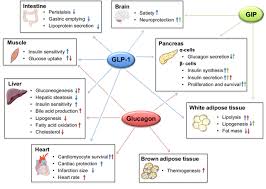
Retatrutide is a next-generation investigational peptide that targets three hormone receptors:
- GLP-1
- GIP
- Glucagon
This triple-action approach is designed to enhance metabolic effects beyond single-pathway compounds.
What Is Semaglutide?
Semaglutide is a well-established GLP-1 receptor agonist used in regulated medical settings. It primarily works by:
- Increasing insulin secretion
- Slowing gastric emptying
- Reducing appetite
It is widely recognised in treatments related to metabolic health.
Key Differences at a Glance
1. Mechanism of Action
- Retatrutide: Triple receptor agonist (GLP-1, GIP, glucagon)
- Semaglutide: Single receptor agonist (GLP-1 only)
👉 This makes Retatrutide more complex in how it interacts with the body.
2. Research Status in the UK
- Retatrutide: Still in clinical trials, not approved by the Medicines and Healthcare products Regulatory Agency
- Semaglutide: Approved and prescribed under regulated conditions
3. Potential Outcomes (Based on Research)
- Retatrutide: Early studies suggest enhanced metabolic effects due to multi-hormone targeting
- Semaglutide: Clinically proven outcomes in controlled use
4. Side Effect Profile
Both compounds share similar side effects, including:
- Nausea
- Vomiting
- Digestive discomfort
However:
- Retatrutide may have more variable responses due to its triple mechanism
- Semaglutide has a well-documented safety profile
5. Availability in the UK
- Retatrutide: Limited to research environments
- Semaglutide: Available via prescription pathways
Why Retatrutide Is Generating Attention
The unique design of Retatrutide offers:
- Multi-pathway metabolic targeting
- Potential for broader physiological impact
- Increased research interest globally
However, more data is needed before any firm conclusions can be made.
Important Considerations
Before comparing these compounds, it’s essential to note:
- Retatrutide is not approved for general use in the UK
- Existing data comes from controlled clinical trials
- Safety and long-term effects are still under investigation
Which One Is Better?
That’s the wrong question—at least for now.
- Semaglutide is established and regulated
- Retatrutide is experimental and still being studied
Any comparison should be viewed through the lens of research vs real-world clinical use.
Final Thoughts
The comparison between Retatrutide and Semaglutide highlights how quickly metabolic science is evolving. While Retatrutide may represent the next wave of innovation, Semaglutide remains the current benchmark in its class.
Leave A Comment