

Introduction
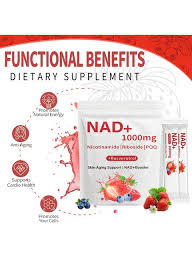
In UK laboratories, coenzymes play a crucial role in supporting biochemical and cellular research. Among them, NAD+ 1000mg (Nicotinamide Adenine Dinucleotide) stands out as one of the most widely used compounds.
But how does NAD+ compare to other commonly used coenzymes?
This article explores the key differences between NAD+ and related compounds, helping UK researchers better understand their roles in experimental settings.
Important Disclaimer
- For research use only
- Not approved for human consumption in the UK
- This content is for educational purposes only
What Are Coenzymes?
Coenzymes are non-protein molecules that assist enzymes in carrying out biochemical reactions.
They are essential for:
- Energy metabolism
- Redox reactions
- Cellular signalling
- Molecular synthesis
NAD+ is one of the most studied coenzymes due to its central role in cellular function.
NAD+ 1000mg: A Quick Overview
NAD+ is a coenzyme involved in:
- Electron transport
- ATP production
- DNA repair processes
- Enzyme activation
Its oxidised form makes it a key player in metabolic reactions.
NAD+ vs NADH
What Is NADH?
NADH is the reduced form of NAD+, meaning it carries electrons.
Key Differences
| Feature | NAD+ | NADH |
|---|---|---|
| Form | Oxidised | Reduced |
| Function | Accepts electrons | Donates electrons |
| Role | Initiates reactions | Completes energy transfer |
Research Use
- NAD+ is used to study metabolic pathways
- NADH is used in energy transfer and redox balance experiments
Both are often used together in laboratory research.
NAD+ vs NMN (Nicotinamide Mononucleotide)
What Is NMN?
NMN is a precursor to NAD+, meaning it converts into NAD+ in biochemical pathways.
Key Differences
- NAD+ is the active coenzyme
- NMN is a building block used to synthesise NAD+
Research Applications
- NAD+ → direct use in reactions
- NMN → studies involving biosynthesis pathways
NAD+ vs NR (Nicotinamide Riboside)
What Is NR?
NR is another precursor compound that contributes to NAD+ production.
Comparison
- NAD+ → immediately functional
- NR → requires conversion before becoming active
Laboratory Use
NR is often used in precursor pathway research, while NAD+ is used in direct biochemical assays.
NAD+ vs FAD (Flavin Adenine Dinucleotide)
What Is FAD?
FAD is another coenzyme involved in redox reactions and energy metabolism.
Key Differences
| Feature | NAD+ | FAD |
|---|---|---|
| Function | Electron transfer | Electron transfer |
| Structure | Nicotinamide-based | Flavin-based |
| Role | Glycolysis & TCA cycle | Electron transport chain |
Research Insight
Both NAD+ and FAD are essential for studying cellular respiration and metabolic processes.
Why NAD+ 1000mg Is Widely Used in UK Labs
1. Immediate Activity
Unlike precursors, NAD+ is ready to participate in reactions.
2. Broad Application Range
Used across:
- Biochemistry
- Molecular biology
- Enzyme research
- Cellular metabolism studies
3. Reliable Experimental Results
Its well-established role ensures:
- Predictable outcomes
- Consistent data
- Reproducible experiments
Choosing the Right Coenzyme for Your Research
The best compound depends on your research goals:
- Use NAD+ → for direct biochemical reactions
- Use NADH → for studying energy transfer
- Use NMN or NR → for precursor and synthesis pathways
- Use FAD → for electron transport chain analysis
Sourcing High-Quality NAD+ in the UK
Quality is essential for accurate research.
Trusted suppliers like buypeptids.com provide:
- High-purity NAD+ 1000mg
- Laboratory-grade compounds
- Reliable UK delivery
Frequently Asked Questions
Is NAD+ better than other coenzymes?
Not necessarily—it depends on the specific research application.
Can NAD+ be used with other coenzymes?
Yes, it is often used alongside NADH, FAD, and other compounds.
Why choose NAD+ over precursors?
Because it is immediately active and does not require conversion.
Key Takeaways
- NAD+ is a central coenzyme in cellular and metabolic research
- It differs from NADH, NMN, NR, and FAD in function and application
- NAD+ is preferred for direct biochemical reactions
- Other coenzymes serve complementary roles in research
- Choosing the right compound depends on experimental goals
Conclusion
When comparing NAD+ 1000mg to other coenzymes, its versatility and immediate functionality make it a cornerstone of UK laboratory research.
While compounds like NADH, NMN, NR, and FAD each have important roles, NAD+ remains one of the most essential tools for studying cellular processes and biochemical pathways.
Leave A Comment