

As interest grows around Retatrutide in the UK research space, questions about safety, tolerability, and potential side effects are becoming increasingly common. Since this compound is still investigational, understanding its safety profile from a research standpoint is essential.
Understanding Retatrutide’s Safety Profile
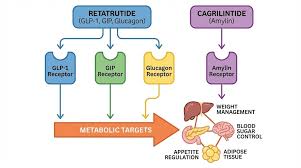
Retatrutide is designed to act on three key metabolic pathways:
- GLP-1 receptor
- GIP receptor
- Glucagon receptor
This multi-receptor activity introduces a broader range of physiological effects compared to single-pathway compounds, which may influence both its benefits and side effect profile.
Commonly Observed Side Effects (Research Data)
Based on early-stage research observations, side effects appear similar in nature to other incretin-based compounds but may vary in intensity.
Gastrointestinal Effects
These are the most frequently reported:
- Nausea
- Vomiting
- Diarrhoea
- Reduced appetite
Such effects are also commonly associated with compounds like Semaglutide, though the triple-action mechanism of Retatrutide may alter how these symptoms present.
Metabolic & Systemic Effects
Due to glucagon receptor activation, Retatrutide may also influence:
- Energy expenditure
- Blood glucose dynamics
- Fat metabolism
This can lead to:
- Fluctuations in energy levels
- Changes in metabolic rate
- Possible dehydration if appetite suppression is significant
Dose-Dependent Reactions
Research suggests that side effects are often:
- More pronounced at higher doses
- Reduced through gradual titration protocols
This is why many studies adopt a step-up dosing approach to improve tolerability.
Long-Term Safety: What We Know So Far
Because Retatrutide is still under investigation:
- Long-term safety data is limited
- Ongoing trials aim to evaluate:
- Sustained metabolic effects
- Cardiovascular impact
- Tolerability over extended periods
This makes it fundamentally different from more established compounds.
UK Regulatory Context
In the United Kingdom:
- Retatrutide is classified strictly as a research compound
- It is not approved for human medical use
- Distribution is typically limited to research and laboratory settings
This means safety discussions should always be framed within a research-only context.
Risk Factors to Consider in Research Settings
Researchers often monitor:
- Hydration levels
- Gastrointestinal tolerance
- Metabolic markers
- Dose-response relationships
Careful observation is critical due to the compound’s multi-pathway activity.
Retatrutide vs Established Compounds (Safety View)
Compared to Semaglutide:
- Retatrutide may present:
- Broader metabolic effects
- Potentially more complex side effect patterns
- Semaglutide has:
- More predictable safety data
- Established clinical usage
SEO Insight: UK Search Trends
Growing UK search queries include:
- “Retatrutide side effects UK”
- “Is Retatrutide safe”
- “Retatrutide risks and safety profile”
Content targeting these terms can capture high-intent informational traffic.
Final Thoughts
The safety profile of Retatrutide is still being defined, but early research suggests manageable, dose-dependent effects, primarily gastrointestinal in nature.
However, due to its investigational status in the United Kingdom, it remains essential to approach all discussions from a research and educational perspective only.
Leave A Comment